Air Sealing Strategies for Wisconsin & Minnesota Homes
The Importance of Air Sealing Your Home
What is air sealing in an attic? Air sealing closes the gaps and cracks in your attic that let conditioned air escape and outdoor air sneak in. It can help control airflow so your home holds heat in winter, stays cooler in summer, and puts less strain on your HVAC system.
Insulation and air sealing work best together. Without proper air sealing, even well-insulated homes can feel drafty, experience uneven temperatures, and rack up higher energy bills.
Our professional air sealing strategies at Larson & Keeney Home Services help protect your indoor air quality, manage moisture, and improve overall HVAC performance.
Areas of Your Home to Air Seal
Air leaks can occur in many places throughout your home, often in areas that are out of sight. Below are some of the most common areas where air leaks are found and how our air sealing strategies address them:
Ceiling & Recessed Light Fixtures
Ceilings are a major source of air leakage, especially around recessed light fixtures. These openings allow warm air to rise and escape into the attic during colder months. Over time, this constant airflow can reduce insulation effectiveness and increase heating costs.
Professional air sealing around ceiling penetrations helps create a tighter barrier between living spaces and the attic. By sealing gaps around recessed lights and ceiling fixtures, your home retains more conditioned air and experiences fewer drafts.
Attic Access Doors
Attic access doors and pull-down stairs are often overlooked but can be a significant source of air loss. These openings are typically poorly sealed, allowing large volumes of air to move between the attic and the rest of the home.
Sealing attic access points often involves weatherstripping, air-tight covers, and proper insulation. Addressing attic access leaks with insulation and air sealing helps stabilize indoor temperatures and supports better energy performance.
Electrical Outlets
Electrical outlets and switches located on exterior walls can allow air to pass through small gaps in the wall. While these leaks may seem minor on their own, they can still create a chilly draft in your home.
Air sealing around outlets typically includes installing foam gaskets and sealing gaps behind cover plates. This reduces drafts and improves comfort without impacting the outlets themselves.
Windows & Doors
Windows and doors are among the most noticeable areas for air leaks. Worn seals, aging frames, and gaps around trim can allow outside air to enter, leading to drafts and temperature fluctuations.
Sealing around windows and doors often includes a combination of caulking and weatherstripping. These steps help keep your home comfortable, reduce energy waste, and protect against moisture intrusion.
Plumbing & Wiring Penetrations
Plumbing pipes, wiring, and vents create openings where air can move freely between floors, walls, and attic spaces. These penetrations are commonly found under sinks, behind appliances, and in utility areas.
Sealing these gaps helps limit unwanted airflow and supports consistent indoor temperatures. It also reduces the risk of moisture entering wall spaces, which can lead to mold or mildew growth.
Ductwork
Ductwork that runs through attics, basements, or crawl spaces can leak air if seams and connections aren’t properly sealed. Leaky ducts reduce system efficiency and can pull unconditioned air into the home.
Air sealing ductwork improves airflow, enhances HVAC performance, and helps ensure conditioned air reaches your living spaces as intended.
Signs Your Home Needs Air Sealing
Air leaks can make your home feel uncomfortably cold in winter or overly humid in summer. If you’re experiencing any of the signs below, our expert air sealing strategies can help you regain control of your indoor comfort.
High Energy Bills
Unexplained increases in energy bills can mean that conditioned air is escaping through gaps and cracks in your home. Since these air leaks force your HVAC system to run longer, energy usage rises and efficiency drops. Air sealing helps reduce this waste by keeping heated and cooled air inside the home.
Air Quality Concerns
Poor air sealing can allow dust, pollen, and outdoor pollutants to enter your home through cracks and gaps. These air leaks may also pull air from attics or crawl spaces into living areas, reducing your indoor air quality. Sealing these gaps helps keep the air in your home clean and allergen-free.
Drafty Rooms
Drafty rooms are a clear sign that outside air is entering where it shouldn’t. Uneven temperatures, cold floors, and noticeable airflow near walls or ceilings often point to air leaks. Targeted air sealing helps stabilize indoor temperatures and improve comfort throughout the home.
Caulking
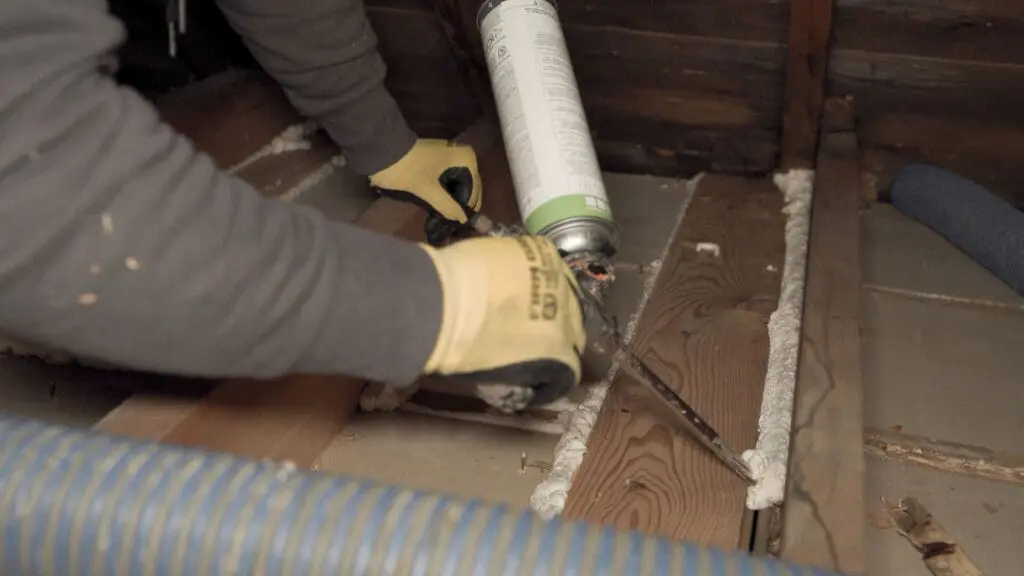
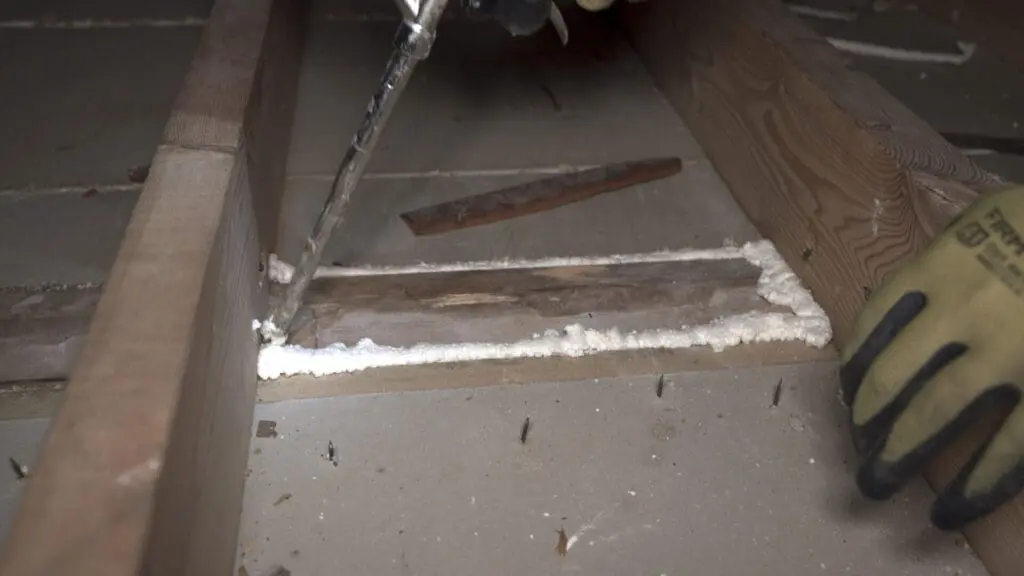
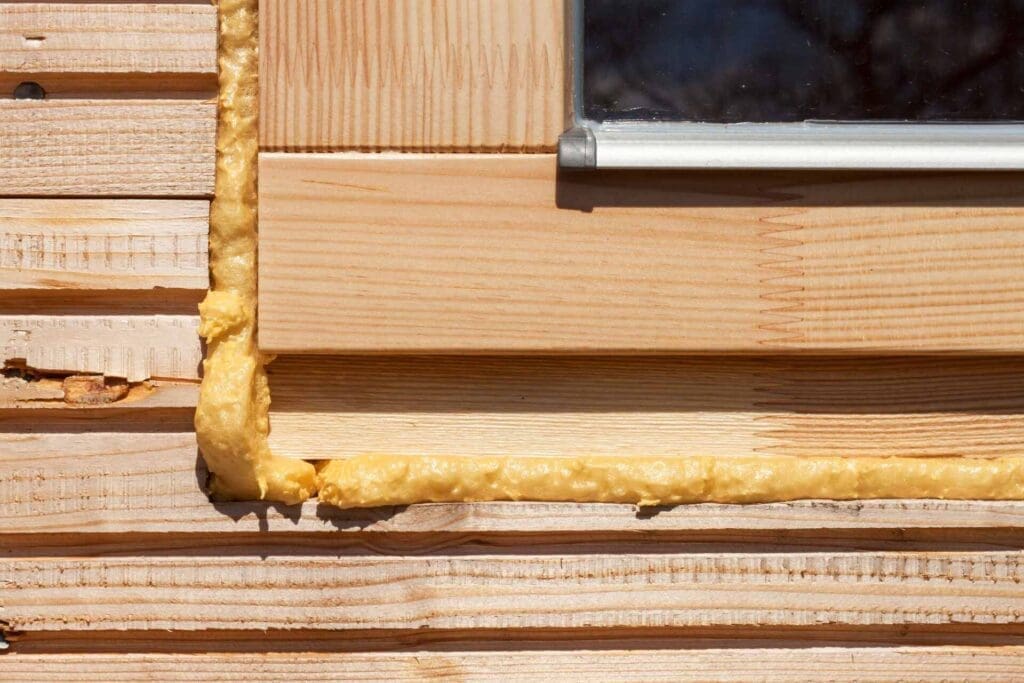
Caulking is commonly used to seal small gaps and cracks around windows, doors, and trim. It serves as an important first step in air sealing by limiting airflow and moisture intrusion in visible areas of the home.
Homeowners often ask what caulk to use for air sealing. The right product depends on the location and materials involved, and our team will walk you through your options to find the right one for your home.
Weatherstripping
Weatherstripping works alongside caulking to seal gaps around moving components, such as doors and operable windows. Over time, worn or missing weatherstripping allows outside air to enter and conditioned air to escape, leading to drafts and inconsistent temperatures.
Replacing or upgrading weatherstripping creates a tighter seal when doors and windows are closed. At Larson & Keeney Home Services, we assess your home’s current weatherstripping and work with you to properly replace worn or damaged sections.
Proper Insulation
While caulking and weatherstripping help reduce visible air leaks, proper insulation ensures your entire home is protected. Insulation slows heat transfer, but without air sealing, it can’t fully prevent drafts.
Our team provides insulation solutions designed to work hand in hand with air sealing. By addressing both airflow and thermal resistance, insulation and air sealing create a more comfortable, efficient, and durable home environment.
Your Go-To Insulation & Air Sealing Contractor in Madison, WI & Rochester, MN
Choosing the right contractor makes all the difference when it comes to effective air sealing. At Larson & Keeney Home Services, we take a whole-home approach, identifying how air moves through your home and applying solutions that deliver lasting comfort and energy savings.
Get in touch with our team today to schedule an air sealing evaluation and take the next step toward a