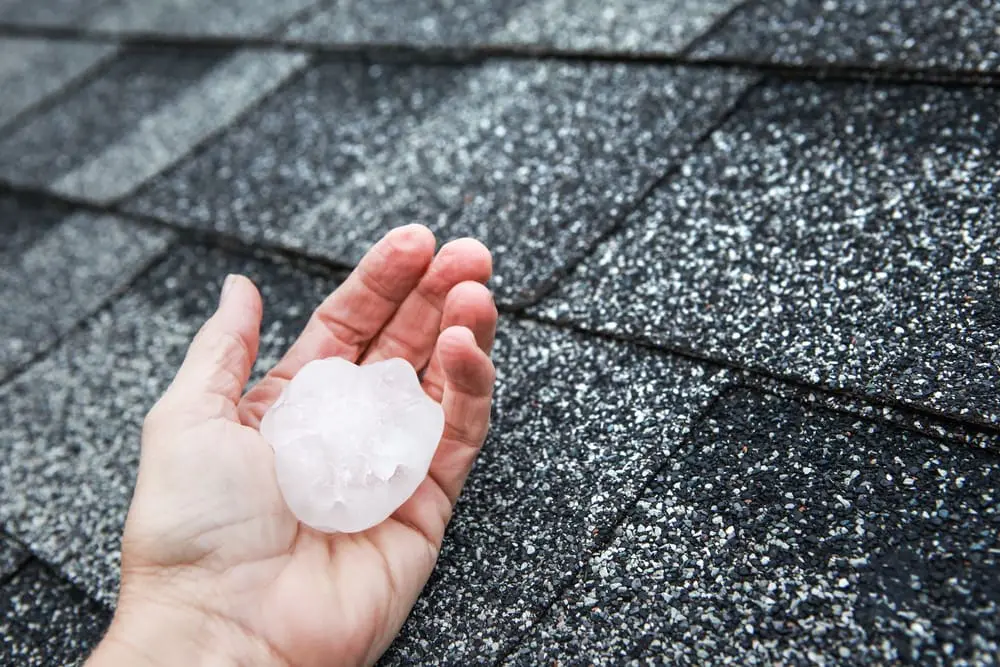
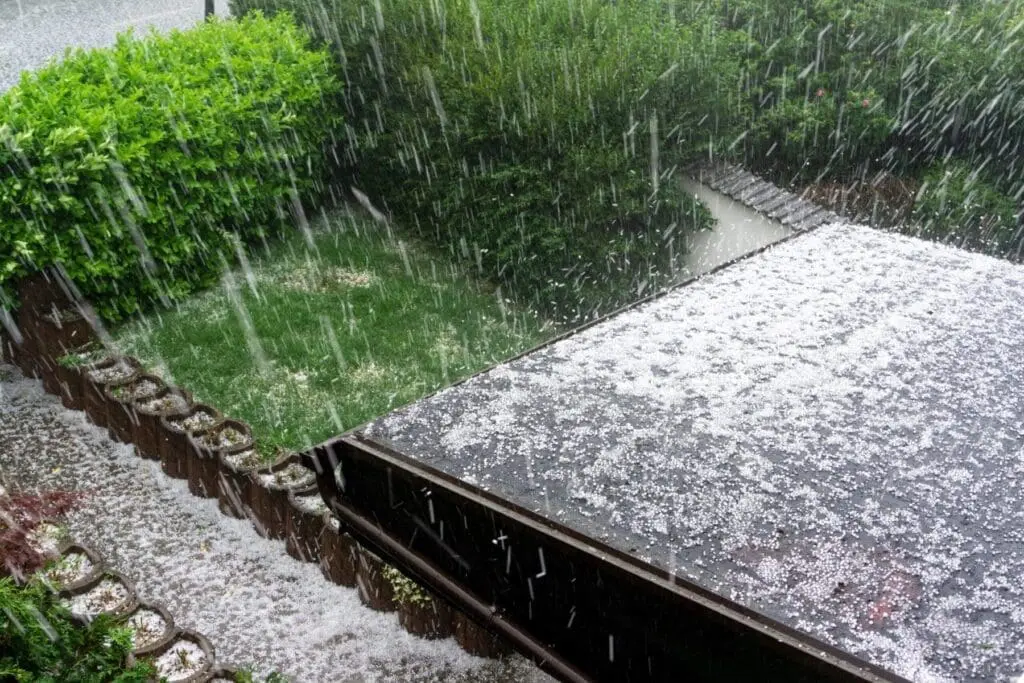
Hailstorms are a common part of life in Wisconsin, especially during the spring and summer months. Some storms bring small hail that melts quickly, while others can drop large, damaging ice stones that put your roof to the test.
In fact, Wisconsin has a long history of severe hail events that have caused significant property damage across the state. If you’re a homeowner, knowing what hail damage looks like on a roof can help you act quickly and avoid costly repairs down the line.
Even minor hail damage can lead to bigger issues if it’s left unchecked. That’s why our team at Larson & Keeney Home Services is here to help you understand how hail damages a roof and what steps to take next.
How to Identify Hail Damage
What does hail damage look like on a roof? Spotting hail damage isn’t always easy from the ground, but there are several clear indicators that your roof may have taken some damage after a storm.
If you’re wondering how to tell if a roof has hail damage, start by looking for these common signs:
Dented or Cracked Shingles
One of the most noticeable signs of hail damage to roof shingles is visible dents or cracks. When hailstones hit your roof, they can bruise or fracture shingles, especially asphalt ones.
You might notice:
- Small, dark spots where granules have been knocked away
- Circular dents or impact marks
- Cracks that spread across the surface of the shingle
Even if the damage looks minor, it can shorten the lifespan of your shingles and make them more likely to fail during the next storm.
In many cases, damage like this isn’t just cosmetic. It can expose the layers underneath and increase the risk of leaks over time.
Missing or Loose Asphalt Granules
Asphalt shingles are designed with a protective layer of granules that shield your roof from the elements. Hail can knock these granules loose, leaving bare spots behind.
Here’s what to look for:
- Accumulation of granules in gutters or downspouts
- Shiny or smooth patches on shingles
- Uneven coloring across your roof
Without this protective layer, your shingles become more vulnerable to UV rays, heat, and moisture. Over time, this can lead to faster deterioration and a higher chance of leaks.
Soft Spots on the Roof’s Surface
Hail doesn’t always leave visible marks. Sometimes it creates soft spots or “bruising” beneath the surface of your shingles.
These areas may:
- Feel spongy when pressed
- Show slight depressions
- Appear darker than the surrounding areas
Soft spots are especially concerning because they indicate hidden structural damage. Even if your roof looks fine from a distance, these weakened areas can eventually lead to cracks, leaks, or full shingle failure.
Leaks & Water Damage
If hail damage goes unnoticed, it often shows up later as water damage inside your home.
Watch for:
- Water stains on ceilings or walls
- Peeling paint or bubbling drywall
- Damp insulation in your attic
These signs mean your roof’s protective barrier has been compromised. Once water gets in, it can spread quickly and cause damage to your home’s structure, insulation, and even electrical systems. Acting early can help prevent more serious and expensive repairs.
Dents on Gutters & Downspouts
Your gutters and downspouts can tell you a lot about what’s happening on your roof. Since they’re made of softer materials like aluminum, they often show damage more clearly.
Look for:
- Dents or dings along the gutter line
- Damage to downspouts or flashing
- Impact marks on metal vents or roof accessories
If you see dents on your gutters, there’s a good chance your roof took a hit as well. These signs are often used by roofing professionals as an early indicator of hail damage.
Preventing Roof Hail Damage
While you can’t stop a storm, you can take steps to reduce the risk of serious roof damage. Preventive maintenance plays a big role in protecting your roof and extending its lifespan.
Here are some things you can do to help prevent hail damage:
Trim Back Trees
Overhanging branches can become a major hazard during a hailstorm. Strong winds and falling debris can cause additional impact damage to your roof.
Keeping trees trimmed:
- Reduces the risk of branches breaking off
- Limits debris buildup on your roof
- Helps prevent clogged gutters
Regular tree maintenance is a simple step that can make a big difference during severe weather.

Don’t Put Off Repairs
Small roofing issues can turn into bigger problems during a hailstorm. Cracked or aging shingles are more likely to break under impact.
By staying on top of repairs, you:
- Improve your roof’s durability
- Reduce the risk of widespread damage
- Extend the life of your roofing system
If you notice minor wear and tear, it’s best to address it before the next storm hits.
Have Your Roof Inspected
Regular inspections are one of the best ways to catch potential issues early. A professional roofing contractor can identify weak spots and recommend repairs before they become major problems.
During a roof inspection, contractors:
- Look for hidden hail damage
- Assess the overall condition of your roof
- Provide documentation for insurance purposes
Scheduling inspections before and after the storm season can also give you peace of mind that your roof is in good condition.
Secure Outdoor Items
Loose outdoor items can quickly turn into projectiles during a storm. Patio furniture, grills, and yard décor can all cause damage if they’re picked up by strong winds.
To reduce this risk:
- Store or secure loose items before storms
- Use covers or anchors when possible
- Keep your yard clear of debris
Taking a few minutes to prepare your yard decorations can help prevent unnecessary roof damage during a hailstorm.
Use Weather-Resistant Roofing Materials
If you’re considering a roof upgrade, choosing impact-resistant materials can provide better protection against hail.
These materials are designed to:
- Withstand stronger impacts
- Reduce the likelihood of cracking or denting
- Improve long-term durability
While no roof is completely hail-proof, choosing stronger materials can help minimize the damage and reduce repair costs over time.
What to Do When You Suspect Hail Damage
If you suspect hail damage to your roof shingles, it’s important to act quickly. Waiting too long can lead to more serious issues and higher repair costs.
Start by:
- Performing a visual check from the ground
- Looking for signs like dents, granule loss, or debris
- Checking your attic or ceilings for any water damage
From there, your next step should be to contact a professional roofing company. A trained expert can safely inspect your roof, confirm the extent of the damage, and help you understand your options.
If they find hail damage, you may also need to file an insurance claim. Having proper documentation and a detailed inspection report can make this process much smoother.
How Larson & Keeney Home Services Can Help With Your Hail Damage
Dealing with hail damage can feel overwhelming, but you don’t have to handle it alone. At Larson & Keeney Home Services, we help Wisconsin homeowners protect their homes and recover quickly after severe weather.
We offer comprehensive services, including:
- Roof Inspections
We provide thorough inspections to identify both visible and hidden damage. Our team will give you a clear understanding of your roof’s condition and our next steps. - Roof Repairs
If your roof has been damaged, we offer reliable repair solutions to restore its strength and prevent further issues. - Installations & Replacement
For more severe damage, we can handle full roof replacements using durable, high-quality materials built to last. - Insurance Claim Assistance
We work with homeowners throughout the claims process, helping document damage and communicate with your insurance provider.
Hail damage isn’t always obvious, but acting early can save you time, money, and stress. If you suspect your roof has been impacted, don’t wait for the problem to get worse. Get in touch with our team at Larson & Keeney Home Services today to schedule your inspection and get the expert help you need.